Paparoa Great Walk: A Coastal and Historical Adventure

The Paparoa Track is a 3-day journey through rugged coastal landscapes, lush rainforests, and dramatic limestone cliffs. Located on the West Coast of the South Island, this track offers some of the most unique scenery in New Zealand. Paired with the Pike29 Memorial Track, which honors the 29 miners who lost their lives in the 2010 Pike River tragedy, this combined adventure offers a meaningful and scenic experience.

  • About the Paparoa Track

    • Track Type: 55km One-way
    • Sleeping: Huts
    • Start & End Point: Smoke-ho car park – Pororari River car park
    • Difficulty: 3/5
    • Fitness Rating: Moderate
    • Trip Length: 3 days
    • Best Time of Year to Go: November – April
  • How to book the Paparoa Track

    Visit the Department of Conservation (DOC) website to learn more about when you can book your trip, and anything else you need to know.

    Department of Conservation website 

Track Description

The track starts gently from the Smoke-ho car park near Blackball, meandering through regenerating forest before beginning a gradual climb into alpine country. You'll cross the historic Croesus Track, winding along the mountain spine with incredible views over the Grey River valley and Tasman Sea.

From the alpine tops, the trail traverses the exposed ridgelines of the Paparoa Range, passing Moonlight Tops Hut before descending into thick, untouched rainforest. The track then drops into the Pororari River Valley – a lush gorge of limestone cliffs, swing bridges, and deep green pools. The finish near Punakaiki feels worlds away from the rugged heights of day one, making this walk a truly diverse adventure.

The trail is well-formed but includes long sections of exposure, steady elevation gain, and steep descents, requiring good fitness and preparation.

What Makes the Track Special

The track is famous for its unique limestone formations, particularly the Pancake Rocks at Punakaiki. The wind and sea have carved these rocks into striking shapes, creating a beautiful natural landmark. The track also offers opportunities to explore coastal bluffs, caves, and the stunning native rainforest, all of which make this one of New Zealand’s most scenic and diverse Great Walks.

Day-by-Day Itinerary

Day 1: Smoke-ho Carpark to Moonlight Tops Hut

  • Distance: 19.7 km
  • Time: 5–8 hours
  • Highlights: Podocarp forest, alpine tussock ridgelines, first glimpses of the Tasman Sea
  • Where to Stay: Moonlight Tops Hut

Your adventure kicks off at Smoke-ho carpark, gently winding through beech and podocarp forest. As you gain elevation, the scenery opens up into alpine tussock fields with sweeping views over the Grey River valley. The Moonlight Tops Hut sits on an exposed ridgeline with a front-row seat to sunset over the West Coast.

Day 2: Moonlight Tops Hut to Pororari Hut

  • Distance: 19.1 km
  • Time: 5–7 hours
  • Highlights: Razorback Ridge, dramatic alpine landscapes, lush rainforest descent
  • Where to Stay: Pororari Hut

This is the big alpine day. You’ll hike along Razorback Ridge with views stretching across the Paparoa tops. The trail then descends through ancient forest, dripping with moss and ferns, before arriving at Pororari Hut – a welcome sight tucked away near the river.

Day 3: Pororari Hut to Pororari River Carpark (near Punakaiki)

  • Distance: 16 km
  • Time: 3–4.5 hours
  • Highlights: Pororari River Gorge, limestone cliffs, swing bridges
  • Where to Finish: Pororari River carpark

The final leg is a visual treat. You’ll follow the Pororari River through a deep limestone gorge surrounded by nikau palms and towering cliffs. The track ends near Punakaiki – home of the famous Pancake Rocks (definitely worth a side trip).

Track Highlights

  • Moonlight Tops ridgeline with views to the Tasman Sea
  • Lush West Coast rainforest and limestone gorge
  • Pororari River swing bridges and blue pools
  • Unique geology, alpine ecosystems, and coastal views
  • Purpose-built trail shared with mountain bikers (seasonal restrictions apply)

Fitness & Difficulty

  • Grade: Intermediate to Advanced
  • Fitness: Moderate–High
  • Steady climbs, exposed ridgelines, and long distances require good fitness. Weather on the tops can change quickly, so solid gear and experience are important.

Best Time to Go

  • Season: October – May
  • Snow, slips, and poor weather make winter walking unsafe.
  • Bookings for huts are essential and open via the DOC website, usually in June for the upcoming season.

Accommodation & Booking

  • Huts only – no camping allowed
  • Moonlight Tops Hut & Pororari Hut must be booked in advance via the DOC website
  • Each hut includes bunks (with mattresses), a wood burner, toilets, and unfiltered water
  • Bring your own cooking equipment, sleeping bag, and toilet paper

What to Pack for New Zealand's Great Walks

New Zealand’s Great Walks are stunning, but they’re no stroll in the park. The weather can change fast, huts vary in what they offer, and you’ll burn a heap of calories each day — so packing right makes all the difference. Here’s a practical list based on what we actually take tramping.


Essential Gear

Stick to the basics and don’t overpack — weight adds up fast. Bring only what you’ll actually use and make sure it holds up in wet, cold, and muddy conditions.

  • Backpack (40–60L) – Comfortable and supportive. You’ll feel every gram on long climbs.
  • Rainproof pack cover or liner – Expect rain. Keep your gear dry inside your pack.
  • Sleeping bag – Lightweight but warm enough for cold hut nights.
  • Cookware – Most huts have gas and stoves (but check with DOC); just bring pot, bowl, mug, and a spork.
  • Head torch – More reliable than your phone light, especially for late-night toilet runs.
  • Water bladder or drink bottle – Stay hydrated across long days on the trail.
  • Water filter or tablets – Streams are usually safe but better to treat when unsure.
  • First aid kit – Include blister gear, painkillers, antiseptic, and plasters.
  • Map or topo – Phone GPS can die; printed maps always work.
  • Microfibre towel – Quick drying and lightweight for hut use.
  • Ziplocks or dry bags – For dirty clothes, food, and rubbish (which you must carry out).
  • Ear plugs – Huts get loud. Snoring is guaranteed.


Clothing (Layer Up!)

Keep it simple: one set of hiking gear, one set of clean gear for huts. Use merino where possible — it’s warm, lightweight, and doesn’t stink.

  • Thermal base layers (top & bottom) – For warmth at night or in cold weather.
  • Waterproof rain jacket – Essential year-round. Weather changes fast.
  • Down jacket or fleece – Adds warmth in huts or cold evenings.
  • Merino t-shirt – Breathable and odour-resistant for hiking days.
  • Hiking socks & undies – Bring spares. Dry feet = happy feet.
  • Shorts / swimwear – Optional, but nice for river dips or warm days.
  • Warm hat, sun hat & gloves – Cover both ends of the weather spectrum.
  • Hiking boots – Waterproof and broken-in to avoid blisters.
  • Jandals/slides – For relaxing in the hut and airing out feet.


Food

Bring enough for every day plus one extra — and don’t underestimate how much you’ll eat. You'll be burning through energy fast.

  • Dehydrated meals – Lightweight and easy to cook in huts.
  • Oats or muesli – Reliable breakfast that packs small.
  • Wraps with PB&J – No refrigeration needed and calorie dense.
  • Bars, trail mix – Great for snacking between stops.
  • Coffee or tea – For morning motivation and hut chill time.


Nice-to-haves

Not essential, but these can make your trip more comfortable if you have the space.

  • Power bank & charging cable – For your phone, GPS, or headlamp if rechargeable.
  • Sleeping bag liner – Adds warmth and keeps your bag clean.
  • Book or cards – Helps pass time at the hut without reception.


Toiletries

Go lightweight, but don’t skip the essentials. Keep it all together in a dry bag or ziplock.

  • Toothbrush & toothpaste
  • Deodorant
  • Sunscreen – The UV in NZ is no joke, even when it’s cloudy.
  • Insect repellent – Sandflies are brutal in forested and coastal areas.
  • Hand sanitiser
  • Vaseline or anti-chafe cream


For the end of the day

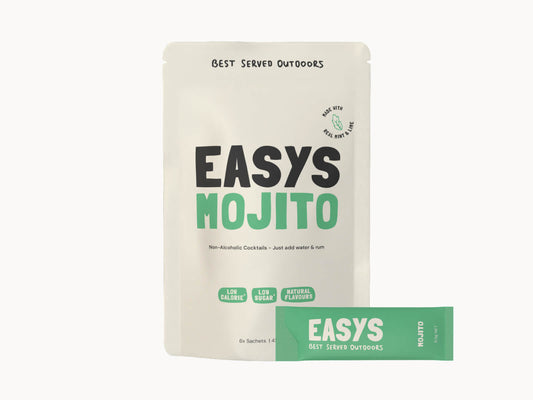
There’s nothing better than reaching the hut after a solid day on the trail. Whether you’re drying your boots by the fire, sitting beside a lake, or watching the sunset from a ridgeline — it’s the perfect time to crack an Easys.

Easys are lightweight powdered cocktails made for the outdoors. Just add water (and a splash of spirits if you want) and you’ve got yourself a refreshing drink — no heavy bottles needed. Easy to carry. Easy to make. Bloody good at the end of a hike.

book your great walk

Find more information about New Zealand's Great Walks on the Department of Conservation's website. From here, you'll find everything you need about booking tracks. We'll see you out there!

PAPAROA GREAT WALK FAQS

Can I walk it in reverse?

Yes – you can start at either end, but most people begin at Smoke-ho and finish in Punakaiki for the dramatic finish through the gorge.

Can I mountain bike it?

Yes, but only during the summer season (Dec 1 – Apr 30). Check DOC rules for bike access.

Are there toilets along the track?

Yes – both huts have toilets. Carry your own toilet paper.

Is there phone reception?

Mostly no. You may get limited reception at higher elevations but don’t rely on it.

How hard is the Paparoa Track?

It’s not technical but is long and exposed in places. Good fitness, preparation, and gear are essential.

Can I camp on the track?

No – camping is not permitted on the Paparoa Track.

How do I get back to my car?

Shuttles are available to loop back from Punakaiki to Smoke-ho carpark. Book in advance through local operators.

Are dogs allowed?

No – dogs are not permitted on the Paparoa Great Walk.