Tongariro Northern Circuit: A Volcanic Adventure 

The Tongariro Northern Circuit is a 3-4 day trek that takes you through one of New Zealand's most spectacular volcanic landscapes. From the active volcanoes to the emerald lakes and alpine meadows, this track is a must-do for any adventure seeker. The challenge of the rugged terrain, combined with the breathtaking views, makes the Tongariro Northern Circuit one of the most iconic hikes in New Zealand. 

  • About the Tongariro Northern Circuit

    • Track Type: 43.1km Loop
    • Sleeping: Hut or Camping
    • Start & End Point: Whakapapa Village
    • Difficulty: 4/5
    • Fitness Rating: High
    • Trip Length: 3-4 days
    • Best Time of Year to Go: December – April
  • How to book the Tongariro Northern Circuit

    Visit the Department of Conservation (DOC) website to learn more about when you can book your trip, and anything else you need to know.

    Department of Conservation website 

Track Description

Starting and finishing at Whakapapa Village, the circuit takes you through an otherworldly volcanic plateau, with towering Mt Ngauruhoe and Mt Tongariro dominating the skyline. You’ll cross the famed Tongariro Alpine Crossing section — past the Devil’s Staircase, Red Crater, and Emerald Lakes — before dropping into the remote Oturere Valley. The trail then weaves through tussock plains, river valleys, and beech forest before closing the loop.

Weather is notoriously changeable here, even in summer. Be prepared for everything from blazing sun to freezing winds and whiteouts.

Volcanic Peaks and Emerald Lakes

Day two brings you up into the alpine environment. The track leads you across a volcanic plateau, with sweeping views of the surrounding mountains and valleys. You’ll pass by the Emerald Lakes, known for their vivid color, and trek around the crater’s edge - this section of the track is challenging but provides some of the most spectacular landscapes in New Zealand.

Day-by-Day Itinerary

Day 1 – Whakapapa Village to Mangatepopo Hut

Distance: 8.5 km
Time: 3–5 hours
A gentle start, following the Whakapapa Track through tussock and volcanic streams into Mangatepopo Valley. Views of Ngauruhoe grow more impressive as you approach the hut.

Day 2 – Mangatepopo Hut to Oturere Hut (Please note this hut is currently closed)

Distance: 13 km
Time: 5–6 hours
The highlight of the circuit — tackling the Alpine Crossing. Climb the Devil’s Staircase to South Crater, then on to the exposed ridge of Red Crater. Descend past the Emerald Lakes before entering the stark, moon-like Oturere Valley.

Day 3 – Oturere Hut to Waihohonu Hut

Distance: 7.5 km
Time: 3–4 hours
A shorter day with rolling volcanic terrain, waterfalls, and sweeping views of the Kaimanawa Ranges. Finish at the modern Waihohonu Hut — the most luxurious on the track.

Day 4 – Waihohonu Hut to Whakapapa Village

Distance: 14 km
Time: 5.5–6 hours
Climb gradually to Tama Saddle with an optional side trip to Tama Lakes. Pass Taranaki Falls before descending back to Whakapapa Village.

Highlights

  • Red Crater – the highest point of the track at 1,886m with views across the Central Plateau.
  • Emerald Lakes – brilliantly coloured, mineral-rich crater lakes.
  • Tama Lakes – two volcanic explosion craters filled with alpine blue water.
  • Oturere Valley – a remote moonscape of jagged lava and alpine desert.
  • UNESCO dual World Heritage status – for both natural beauty and cultural significance.

Difficulty & Fitness

The Tongariro Northern Circuit is rated Intermediate–Advanced. The Alpine Crossing section is steep and exposed, and weather can change rapidly. Good fitness, sturdy boots, and experience with multi-day hikes are essential.

Best Time to Go

The Great Walk season runs from late October to late April, when the track is generally free of snow and huts are serviced. Outside this season, snow, ice, and alpine conditions make it a serious mountaineering route — only attempt with the right skills, gear, and experience.

Accommodation & Booking

Three DOC huts service the circuit: Mangatepopo, Oturere (currently closed), and Waihohonu. Camping is not permitted. All huts must be booked in advance through the Department of Conservation (DOC) during Great Walk season. Book early — this track is popular, especially for the Alpine Crossing section.

What to Pack for New Zealand's Great Walks

New Zealand’s Great Walks are stunning, but they’re no stroll in the park. The weather can change fast, huts vary in what they offer, and you’ll burn a heap of calories each day — so packing right makes all the difference. Here’s a practical list based on what we actually take tramping.


Essential Gear

Stick to the basics and don’t overpack — weight adds up fast. Bring only what you’ll actually use and make sure it holds up in wet, cold, and muddy conditions.

  • Backpack (40–60L) – Comfortable and supportive. You’ll feel every gram on long climbs.
  • Rainproof pack cover or liner – Expect rain. Keep your gear dry inside your pack.
  • Sleeping bag – Lightweight but warm enough for cold hut nights.
  • Cookware – Most huts have gas and stoves (but check with DOC); just bring pot, bowl, mug, and a spork.
  • Head torch – More reliable than your phone light, especially for late-night toilet runs.
  • Water bladder or drink bottle – Stay hydrated across long days on the trail.
  • Water filter or tablets – Streams are usually safe but better to treat when unsure.
  • First aid kit – Include blister gear, painkillers, antiseptic, and plasters.
  • Map or topo – Phone GPS can die; printed maps always work.
  • Microfibre towel – Quick drying and lightweight for hut use.
  • Ziplocks or dry bags – For dirty clothes, food, and rubbish (which you must carry out).
  • Ear plugs – Huts get loud. Snoring is guaranteed.


Clothing (Layer Up!)

Keep it simple: one set of hiking gear, one set of clean gear for huts. Use merino where possible — it’s warm, lightweight, and doesn’t stink.

  • Thermal base layers (top & bottom) – For warmth at night or in cold weather.
  • Waterproof rain jacket – Essential year-round. Weather changes fast.
  • Down jacket or fleece – Adds warmth in huts or cold evenings.
  • Merino t-shirt – Breathable and odour-resistant for hiking days.
  • Hiking socks & undies – Bring spares. Dry feet = happy feet.
  • Shorts / swimwear – Optional, but nice for river dips or warm days.
  • Warm hat, sun hat & gloves – Cover both ends of the weather spectrum.
  • Hiking boots – Waterproof and broken-in to avoid blisters.
  • Jandals/slides – For relaxing in the hut and airing out feet.


Food

Bring enough for every day plus one extra — and don’t underestimate how much you’ll eat. You'll be burning through energy fast.

  • Dehydrated meals – Lightweight and easy to cook in huts.
  • Oats or muesli – Reliable breakfast that packs small.
  • Wraps with PB&J – No refrigeration needed and calorie dense.
  • Bars, trail mix – Great for snacking between stops.
  • Coffee or tea – For morning motivation and hut chill time.


Nice-to-haves

Not essential, but these can make your trip more comfortable if you have the space.

  • Power bank & charging cable – For your phone, GPS, or headlamp if rechargeable.
  • Sleeping bag liner – Adds warmth and keeps your bag clean.
  • Book or cards – Helps pass time at the hut without reception.


Toiletries

Go lightweight, but don’t skip the essentials. Keep it all together in a dry bag or ziplock.

  • Toothbrush & toothpaste
  • Deodorant
  • Sunscreen – The UV in NZ is no joke, even when it’s cloudy.
  • Insect repellent – Sandflies are brutal in forested and coastal areas.
  • Hand sanitiser
  • Vaseline or anti-chafe cream


For the end of the day

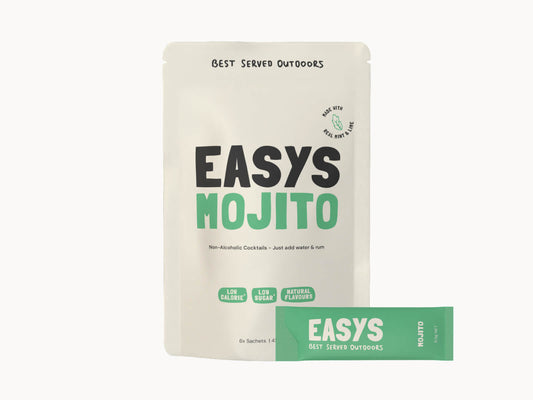
There’s nothing better than reaching the hut after a solid day on the trail. Whether you’re drying your boots by the fire, sitting beside a lake, or watching the sunset from a ridgeline — it’s the perfect time to crack an Easys.

Easys are lightweight powdered cocktails made for the outdoors. Just add water (and a splash of spirits if you want) and you’ve got yourself a refreshing drink — no heavy bottles needed. Easy to carry. Easy to make. Bloody good at the end of a hike.

Tongariro Great Walk FAQS

Can I do the Alpine Crossing as part of the Circuit?

Yes — it’s the main feature of Day 2.

Is there drinking water?

Rainwater is available at huts - treat before drinking.

Can I climb Mt Ngauruhoe?

No - climbing is now discouraged out of respect for its cultural significance.

Do I need to book huts?

Yes, all huts must be booked in advance during Great Walk season.

What’s the weather like?

Highly changeable — expect strong winds, sudden rain, and even snow in summer.

book your great walk

Find more information about New Zealand's Great Walks on the Department of Conservation's website. From here, you'll find everything you need about booking tracks. We'll see you out there!